In many Indian factories and warehouses, “manual material handling” is just a normal part of the day. It refers to workers using their own physical strength to lift, carry, move, or stack heavy goods. While hiring a few extra hands might seem like a cheap way to get the job done, the true price tag is often hidden beneath the surface. Many business owners only look at the monthly salary of a laborer, but they forget to calculate the cost of slow work, broken items, and injured staff.
The reality is that relying purely on human muscle is holding many businesses back. As industries in India grow and competition gets tougher, manual handling is becoming a major financial drain. Beyond just the wages, there are “hidden costs” that eat into your profits every single day. Understanding these risks is the first step toward making your operations faster, safer, and much more profitable.
What Is Manual Material Handling?
Manual material handling is any task that requires a person to move a load using their physical force. In an industrial setting, this isn’t just about picking up a small box. It involves heavy-duty tasks that workers perform repeatedly for eight to ten hours a day.
Common examples include:
- Lifting and Stacking: Moving heavy sacks or metal components onto high shelves.
- Pushing and Pulling: Moving heavy trolleys across a bumpy factory floor.
- Carrying: Walking long distances with heavy raw materials.
- Loading: Manually placing goods into trucks or containers.
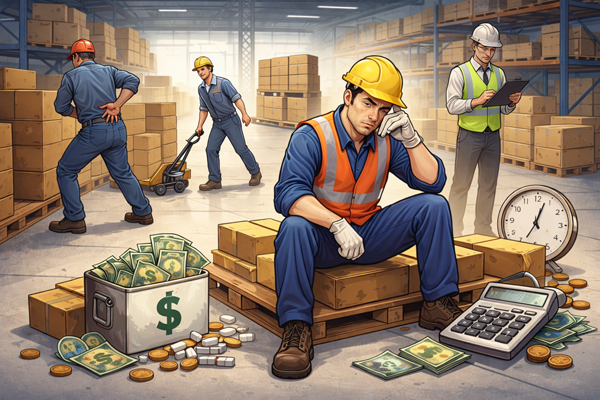
Manual vs. Automated Impact Table
| Manual Handling Issue | Direct Cost | Long-Term Business Impact |
| Worker Back Injury | Medical bills & compensation | Loss of skilled labor & bad reputation |
| Dropped Goods | Cost of replacing the product | Customer dissatisfaction & lost trust |
| Slow Loading Speed | Extra labor hours/overtime | Delayed shipments & lost contracts |
| Physical Fatigue | Lower units produced per hour | Stagnant business growth |
The Hidden Costs of Manual Material Handling
Major Hidden Costs at a Glance
- Medical Compensation: Paying for workplace-related healthcare.
- Recruitment Costs: Constantly hiring and training new staff to replace injured ones.
- Insurance Premiums: Higher accident rates lead to higher insurance costs.
- Wasted Floor Space: Cluttered manual movement takes up more room than organized machine handling.
- Legal Fines: Non-compliance with safety standards can lead to heavy government penalties.
Benefits of Switching to Hydraulic Equipment
- Improved Safety: Reduces the “human element” in dangerous lifting tasks.
- Faster Operations: Drastically cuts down loading and unloading times.
- Reduced Labor Cost: Do more work with fewer people.
- Less Product Damage: Smooth lifting and lowering ensure goods stay intact.
- Better Productivity: Your team stays fresh and focused on quality, not just lifting.
How Manual Handling Affects Industrial Growth
If your factory relies on manual labor for everything, you will hit a “growth ceiling.” You cannot take on bigger orders because your human staff has a physical limit. Slow material movement creates a “bottleneck” where the machines are ready to work, but the raw materials haven’t reached them yet. This inefficiency leads to delayed deliveries, which makes customers look for other suppliers. To scale up, you need material handling equipment that works at a constant, high speed.
How Hydraulic Material Handling Equipment Reduces These Costs
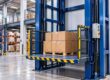
Switching to hydraulic lifting solutions is the smartest way to eliminate hidden costs. Here is how specific tools help:
Industries Most Affected by Manual Handling
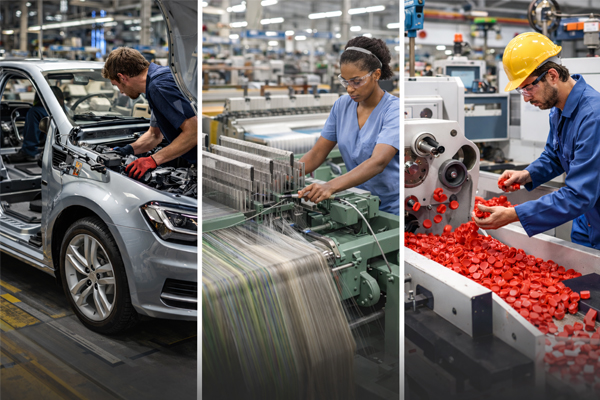
Manufacturing Units (Automobile, Textile, Plastic)
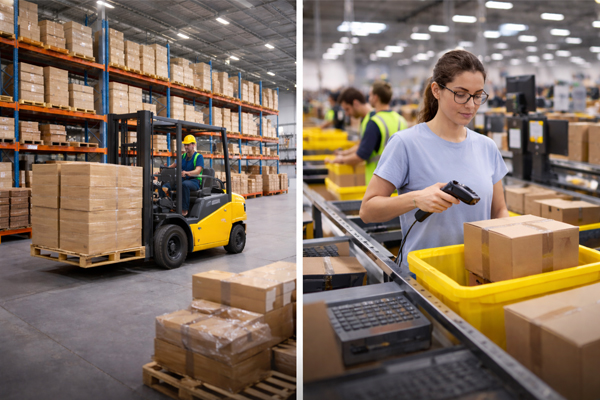
Warehouses & E-commerce Fulfillment Centers
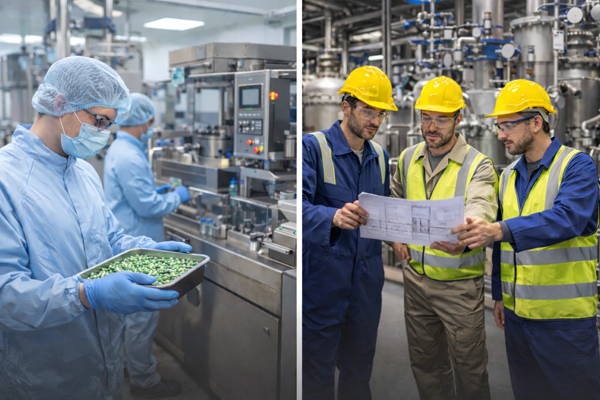
Pharmaceutical & Chemical
Plants
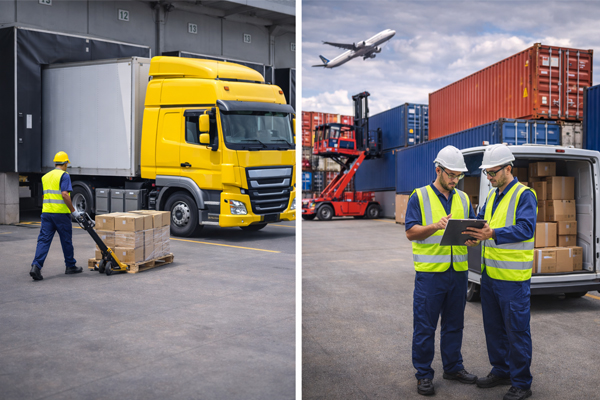
Logistics & Transport
Companies
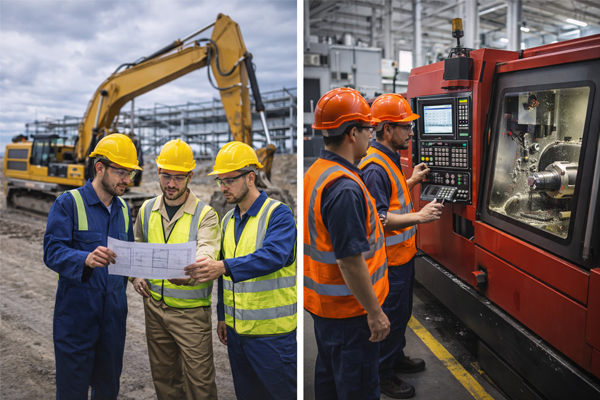
Engineering & Heavy Machinery Industries
Frequently Asked Questions (FAQs)
The main risks include musculoskeletal disorders (back and joint pain), accidental falls, dropped loads causing foot injuries, and long-term physical fatigue.
It increases costs through medical payouts, high product breakage rates, slow operational speed, and the need to hire more workers to do the job of one machine.
Hydraulic equipment uses fluid pressure to lift heavy weights with minimal effort. It is smoother, safer, and can handle much heavier loads than any human can.
Any industry that moves goods, including manufacturing, food processing, pharma, and logistics, needs this equipment to stay competitive.
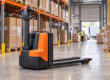
You can reduce it by auditing your workflow, identifying where workers are lifting the most, and replacing those tasks with pallet trucks, lifts, or cranes.
Conclusion
Investing in the right material handling equipment is not an “expense”—it is a way to stop losing money. While manual labor might seem easy to manage today, the hidden costs of injuries, delays, and damages will eventually hurt your business growth. By switching to hydraulic lifting solutions, you protect your workers, your products, and your profits. It is time to move away from muscle power and embrace industrial efficiency.