What Should You Check Before Choosing an Electric Hydraulic Lift Supplier?
Choose an electric hydraulic lift supplier who understands your load, building space and daily work. Ask for a written proposal that explains the lift capacity, platform size, safety features, installation work and service support. Compare these details before comparing prices.
Finding an electric hydraulic lift supplier in Gujarat can be confusing when every quotation looks different. One supplier may include installation, while another quotes only for the lift. A lower price may also leave out gates, electrical work or transport.
Start by studying how your factory or warehouse moves goods. Think about the heaviest load, the floors it must reach and the number of trips needed each day. This guide explains what to check, which questions to ask and how to avoid buying a lift that creates problems later.
What Is an Electric Hydraulic Lift and How Does It Work?
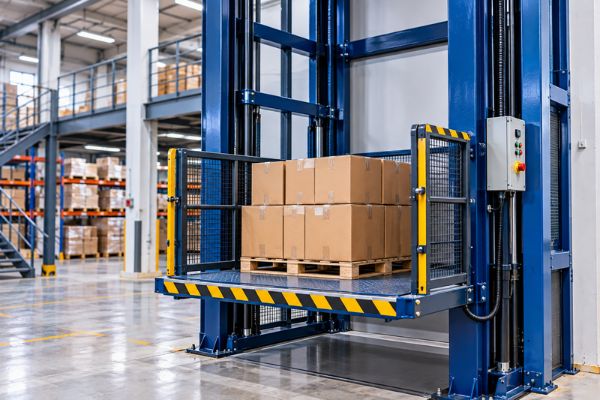
An electric hydraulic lift uses an electric motor to run a pump. The pump sends hydraulic oil into a cylinder, which raises the platform. A control valve manages the oil flow when the platform lowers.
In factories and warehouses, hydraulic goods lifts help move materials between floor levels. Common loads include:
- Cartons and packed products
- Raw materials
- Machinery parts
- Pallets and containers
- Production tools
The right design depends on the load and the building. A lift used for small cartons may need a different platform and support system from one used for large machine parts.
A goods lift should only carry people if it is specifically designed and approved for that purpose. Confirm the intended use before placing an order.
How Do You Work Out Your Lift Requirements?
Write down your requirements before asking suppliers for prices. Clear information helps suppliers propose a suitable lift and reduces changes during installation.
Check the total load weight
Include everything that will be on the platform during a trip. This may include the goods, pallet, container and handling equipment.
For example, goods weighing 800 kg on a 50 kg pallet create a total load of 850 kg. If a pallet truck will also travel on the platform, its weight must be added.
Share the heaviest expected load with the supplier. Ask the supplier to explain the proposed rated capacity and how the load must be placed.
Measure the goods and handling equipment
Weight alone does not decide platform size. Long, wide or uneven goods may need more space even when they are light.
Record:
- Maximum load length and width
- Maximum load height
- Pallet or trolley dimensions
- Space needed to load and unload
- Any parts that extend beyond the main load
Record daily use
Tell the supplier how many trips you expect during a normal shift and during busy periods. Frequent use affects the choice of hydraulic power unit, motor and other parts.
Also mention the number of shifts. A lift used occasionally has different needs from one serving a busy production line throughout the day.
What Should a Supplier Check During a Site Survey?
A site survey helps the supplier confirm that the proposed lift fits your building and workflow. Share building drawings where available, but ask for actual site measurements before approving the final layout.
The survey should cover:
| Site Detail | Why It Matters |
|---|---|
| Floor to Floor Height | Determines the required lifting travel |
| Number of Stops | Affects controls and access arrangements |
| Available Floor Space | Helps decide platform and structure size |
| Entry and Exit Direction | Affects loading at each floor |
| Floor and Support Structure | Needs assessment for the proposed loads |
| Pit and Overhead Space | Must match the selected lift design |
| Electrical Supply | Must suit the motor and control system |
| Maintenance Access | Allows service work without unnecessary obstruction |
Ask who will assess the building structure and prepare any civil work drawings. The supplier and a qualified structural professional should clarify support and anchoring needs.
An existing factory may have limited access or production equipment near the proposed lift. These conditions should be resolved before manufacturing starts.
How Do You Choose the Right Lift Platform and Loading Layout?
Choose a platform that fits your goods and allows the planned loading method. A platform that barely fits a pallet can slow work and make positioning difficult.
Think about how goods will enter at the ground floor and leave at the upper floor. Some sites need entry and exit on the same side. Others need access on opposite sides.
Ask the supplier to show a layout drawing with:
- Usable platform dimensions
- Clear gate opening
- Loading direction at each floor
- Space around the lift
- Location of the controls
- Position of the hydraulic power unit
For pallet handling, discuss wheel loads as well as total weight. Small wheels can place concentrated loads on the platform.
Practical example: A warehouse may have enough space for the lift structure but too little room to turn a loaded pallet truck. Checking the approach area early can prevent this problem.
How Should You Compare Electric Hydraulic Lift Supplier Quotations?
Compare quotations against the same written requirement. Two lifts with the same capacity can still differ in platform size, lifting height, safety arrangements and installation scope.
Use this table when reviewing proposals:
| Item to Compare | What to Ask the Supplier |
|---|---|
| Rated Capacity | What total load can the lift carry? |
| Platform Size | What are the usable dimensions? |
| Lifting Travel | Does the quote cover the measured site height? |
| Number of Stops | Are controls and gates included at every stop? |
| Safety Features | Which devices are included in the quoted design? |
| Civil Work | Who provides the pit, foundation and supports? |
| Electrical Work | Who handles supply wiring and connections? |
| Transport and Unloading | Are these charges included? |
| Installation and Testing | What work is included before handover? |
| Warranty | What is covered, excluded and required? |
| Service | Who will attend the site and what will visits cost? |
| Taxes | Are applicable taxes shown separately? |
Ask each supplier to list exclusions clearly. This helps you compare the likely completed cost instead of only the equipment price.
Which Safety Features Should You Discuss Before Buying?
Ask the supplier to explain how the proposed lift protects the loading areas and controls movement. A general claim such as “all safety features included” is not enough.
Discuss:
- Landing gates and gate interlocks
- Platform guarding suited to the application
- Emergency stop controls
- Overload protection
- Travel limit controls
- Measures for hydraulic pressure or line failure
- Controlled emergency lowering
- Protection from moving parts
- Safe access for maintenance
Ask what happens if a gate is open, power fails or the platform is overloaded. Get these answers in writing for the proposed model.
Also request the applicable standards, test records and approval requirements for your installation. Safety needs can change with the lift design, building and intended use.
How Can You Check a Supplier’s Experience?
Look for experience with projects similar to yours. A supplier who has installed lifts for comparable loads and buildings can explain common layout and service issues.
Ask for:
- Photos of completed installations
- References from similar businesses
- Sample layout drawings
- Details of the installation team
- A sample operating and maintenance manual
- Information about testing and handover
Photos can help you understand the design, but they do not prove performance on their own. Where possible, speak with a customer who uses a similar lift.
Useful questions include:
- Did the lift meet the agreed requirements?
- Were extra costs explained before installation?
- How did the supplier respond to service requests?
- Were operators given clear training?
Why Does Service Coverage Matter When Buying in Gujarat?
Service coverage matters because a stopped lift can delay movement between floors. Ask an electric hydraulic lift supplier in Gujarat how support will reach your actual location.
A supplier based nearby may still use a separate service team. Confirm:
- Who receives breakdown calls
- Where technicians are based
- Which parts are normally stocked
- Charges for visits and travel
- Support available during your working hours
- Expected response arrangements
If your site is in Ahmedabad, Sanand, Vadodara, Surat, Rajkot, Vapi or Dahej, ask about support for that specific location.
Get the service arrangement in writing. A clear commitment is more useful than a broad promise of quick support.
What Affects the Total Cost of an Electric Hydraulic Lift?
The total cost includes the lift and the work needed to make it ready for use.
The main cost factors include:
- Rated capacity
- Platform dimensions
- Lifting travel and number of stops
- Support structure
- Gates and guarding
- Controls and safety devices
- Civil and electrical work
- Transport, unloading and installation
- Site access difficulties
Future expenses also matter. Ask about planned maintenance, replacement parts, hydraulic oil requirements and service visit charges.
A lower purchase price may be suitable if the proposal meets your needs. The problem is choosing a price before understanding what it includes.
What Common Buying Problems Can You Avoid?
Many buying problems begin with missing information. Resolve these points before approving the order.
| Common Problem | What to Do Before Ordering |
|---|---|
| Platform is too small | Share actual pallet, trolley and load dimensions |
| Lift slows work during busy shifts | Explain peak trips and daily operating hours |
| Extra installation charges appear | Request an itemised scope and exclusions |
| Loading area becomes crowded | Check approach space in the layout drawing |
| Service support is unclear | Confirm technician coverage and visit terms |
| Building work delays installation | Agree on drawings and civil work responsibilities |
| Warranty expectations differ | Read coverage, exclusions and maintenance conditions |
Avoid approving manufacturing while major site dimensions or loading arrangements remain unsettled.
What Should Happen Before Lift Handover?
Handover should include testing, documents and operator training. Ask the supplier to explain the acceptance process before installation begins.
The agreed checks should cover:
- Operation at every floor
- Gate and interlock function
- Controls and emergency stop operation
- Testing under the specified procedure
- Hydraulic connections and visible leaks
- Platform stopping and alignment
- Capacity labels and operating instructions
Request the operating manual, maintenance schedule, warranty document and service contact details.
Operators should learn how to position loads, follow capacity limits and report faults. The supplier should explain emergency actions and which tasks require a trained technician.
What Details Should You Send for an Accurate Quotation?
Send suppliers a short requirement sheet. This saves time and makes quotations easier to compare.
Include:
- Factory or warehouse location
- Type of goods
- Maximum total load per trip
- Largest load dimensions
- Pallet or trolley details
- Number of floors and stops
- Measured floor heights
- Expected trips per shift
- Available installation space
- Electrical supply details
- Site photos and drawings
- Required completion date
Mark any measurements that still need confirmation. Ask the supplier to verify them during the site survey.
For product discussions, contact Vision Industries with these details and request a proposal suited to your site.
Conclusion
Choose an electric hydraulic lift supplier in Gujarat by checking the proposed design, installation scope and service arrangements. Start with accurate load and site details, then compare written quotations against the same requirements.
Before placing the order, approve the layout, confirm exclusions and agree on testing and handover. These steps help prevent extra costs and give your team a lift that fits daily work.
Frequently Asked Questions
Check experience with similar installations, the proposed lift specifications, safety arrangements and service coverage. Request a site survey and an itemised quotation before deciding.
Provide total load weight, load dimensions, platform needs, lifting height, number of stops, daily trips and site location. Photos and building drawings can help the supplier prepare a proposal.
Installation may be possible after a site assessment. Available space, building support, loading access, electrical supply and the selected lift design must be checked first.
Calculate the maximum total weight on the platform, including pallets, containers and handling equipment that will travel with the goods. Ask the supplier to confirm a suitable rated capacity and loading arrangement.
Inclusions vary between suppliers. Request a written breakdown covering civil work, electrical connections, transport, unloading, installation and testing.
Check the warranty period, covered parts, exclusions, labour charges and travel costs. Also confirm any maintenance requirements and how to report a fault.
Only if the lift is specifically designed and approved to carry people. Do not assume that a goods lift allows passengers because its platform has enough space.