Complete Guide to Hydraulic Hand Pallet Truck in 2026
In the fast-paced world of warehousing and logistics, efficiency isn’t just a goal – it’s a necessity. One piece of equipment stands as the unsung hero of material handling operations worldwide: the hydraulic hand pallet truck. Whether you’re managing a small retail stockroom or operating a massive distribution center, understanding how to select, use, and maintain this essential tool can dramatically impact your bottom line.
This comprehensive guide explores everything you need to know about hydraulic hand pallet trucks, from basic functionality to advanced selection criteria. By the end, you’ll have the knowledge to make informed decisions that enhance productivity and safety in your facility.
What is a Hydraulic Hand Pallet Truck?
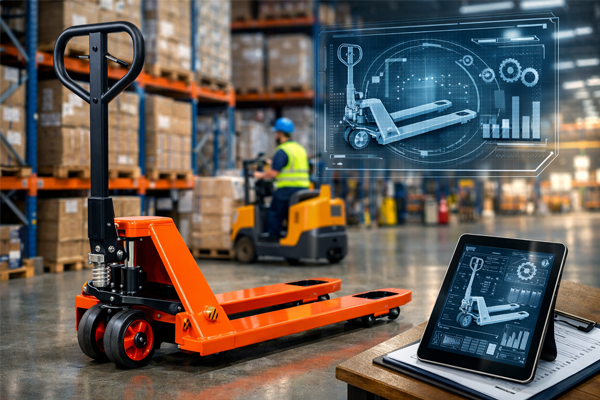
A hydraulic hand pallet truck, often simply called a pallet jack or pump truck, is a manual material handling device designed to lift and move palletized loads. Unlike powered alternatives such as forklifts, these trucks rely on human operation combined with hydraulic mechanics to lift loads weighing anywhere from 2,000 to 5,500 pounds.
The beauty of this equipment lies in its simplicity. A hydraulic pump mechanism, activated by manually pumping the handle, forces hydraulic fluid into a cylinder that raises the forks. This elegant system amplifies human effort, allowing a single operator to move loads that would otherwise require multiple people or powered equipment.
How Does a Hydraulic Hand Pallet Truck Work?
Understanding the mechanics behind hydraulic pallet trucks helps operators use them more effectively and identify potential issues before they become problems. The system operates on a fundamental principle of physics: hydraulic pressure.
The Hydraulic System
When you pump the handle, you’re activating a piston that pushes hydraulic oil from a reservoir into a lifting cylinder. This pressurized fluid forces a pi ston upward, which in turn raises the forks. The key components include:
The release mechanism works equally elegantly. By gently squeezing the handle’s release lever, you open a valve that allows hydraulic fluid to flow back into the reservoir, lowering the load in a controlled manner. This simple yet effective system has remained largely unchanged for decades because it works so reliably.
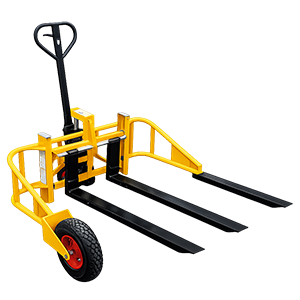
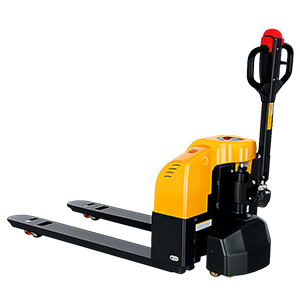
Types of Hydraulic Hand Pallet Truck
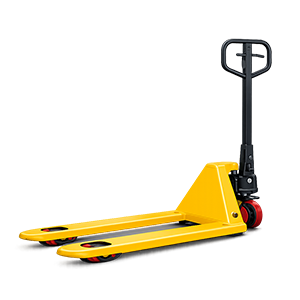
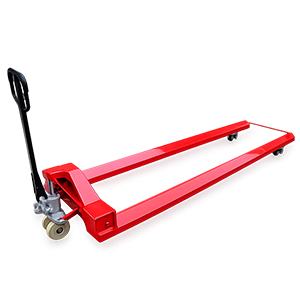
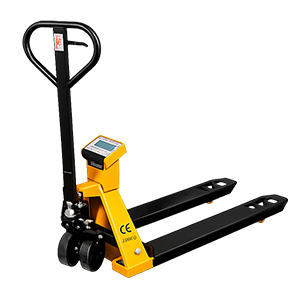
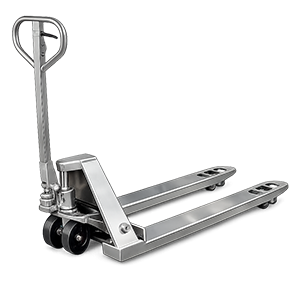
Not all pallet trucks are created equal. Different applications require different features, and choosing the right type can make a significant difference in operational efficiency. Here are the main categories:
Key Benefits of Using Hydraulic Hand Pallet Truck
Why do hydraulic hand pallet trucks remain so popular despite the availability of powered alternatives? The answer lies in their unique combination of advantages:
Cost-Effectiveness
With prices starting as low as a few hundred dollars, hydraulic pallet trucks represent one of the most affordable material handling solutions available. There’s no fuel costs, minimal maintenance expenses, and no licensing requirements. For small businesses or operations with limited budgets, they offer excellent value.
Versatility and Maneuverability
Their compact size allows them to navigate tight spaces where forklifts can’t go. Narrow aisles, crowded storage areas, and confined loading docks pose no problem. This makes them indispensable in retail backrooms, small warehouses, and anywhere space is at a premium.
Low Maintenance Requirements
Unlike complex powered equipment, pallet trucks have few parts that can fail. Regular maintenance consists mainly of checking hydraulic fluid levels, inspecting wheels, and keeping pivot points lubricated. Most businesses can handle basic maintenance in- house without specialized technicians.
Enhanced Workplace Safety
The manual operation naturally limits speed, reducing the risk of collisions. There’s no risk of electric shock, no emissions to worry about, and the lower lift height minimizes fall hazards. While proper training is still essential, pallet trucks are inherently safer than many alternatives.
Environmental Friendliness
Zero emissions, no batteries to dispose of, and minimal environmental impact make hydraulic pallet trucks the green choice for material handling. In an era of increasing environmental awareness, this is a significant advantage.
How to Choose the Right Hydraulic Hand Pallet Truck
Selecting the appropriate pallet truck requires careful consideration of your specific needs. Here’s a systematic approach to making the right choice:
Common Applications Across Industries
Hydraulic hand pallet trucks serve countless industries, each with unique requirements:
Proper Operating Techniques for Safety and Efficiency
Even simple equipment requires proper technique for optimal results and safety. Here are best practices every operator should follow:
Pre-Operation Inspection
Before each use, conduct a quick safety check:
- Inspect wheels for damage or debris
- Check forks for cracks or deformation
- Test the hydraulic pump—it should raise smoothly
- Verify the release mechanism operates correctly
- Look for hydraulic fluid leaks
Proper Loading Technique
Position the forks completely under the pallet, centered on the load. Pump the handle until the pallet clears the ground—lifting higher than necessary wastes effort and reduces stability. Always ensure the load is balanced and secure before moving.
Safe Movement Practices
Keep the load low while transporting. Look in the direction of travel, maintain clear sightlines, and watch for pedestrians and obstacles. Never exceed walking speed. On ramps or inclines, keep the load on the uphill side—this prevents runaway situations if you lose control.
Unloading Safely
Position the truck squarely in front of the destination. Lower the load completely before attempting to extract the forks. Never jerk or force the forks out—if they’re stuck, raise the load slightly and reposition rather than using excessive force.
Maintenance Tips to Extend Equipment Lifespan
Regular maintenance prevents costly breakdowns and extends your investment’s useful life. Here’s a practical maintenance schedule:
Common Problems and Troubleshooting
Understanding common issues helps you respond quickly when problems arise:
Forks Won’t Lift
This usually indicates low hydraulic fluid or air in the system. Check fluid level first—if it’s low, top it up with the manufacturer-recommended fluid. If the level is adequate, you may need to bleed air from the system by pumping the handle with the release valve slightly open.
Forks Won’t Lower
A stuck release valve is typically the culprit. Try working the valve lever several times to free it. If that doesn’t work, there may be debris in the valve mechanism requiring disassembly and cleaning.
Wheels Not Rolling Smoothly
Check for debris wrapped around wheel axles. Inspect bearings for wear—grinding or resistance when spinning the wheel indicates bearing replacement is needed.
Sometimes adding lubrication to the axle resolves the issue.
Hydraulic Fluid Leaks
Leaks usually occur at cylinder seals or connections. Small leaks can often be fixed by tightening connections or replacing worn seals. Significant leaks require professional repair or component replacement.
Safety Considerations and Best Practices
While relatively safe compared to powered equipment, pallet trucks still pose risks if misused. Follow these safety guidelines:
Load Capacity Limits
Never exceed the rated capacity. Overloading stresses the hydraulic system, damages components, and creates serious safety hazards. When in doubt, use a heavier-duty model or make multiple trips.
Operator Training
Even though no license is required, proper training prevents injuries and equipment damage. Operators should understand proper technique, load limits, and safety procedures. Document training to establish accountability.
Workplace Organization
Keep aisles clear of obstacles. Ensure adequate lighting in operating areas. Mark pedestrian walkways clearly. Good housekeeping prevents accidents and improves efficiency.
Personal Protective Equipment
Steel-toed shoes protect against foot injuries from dropped loads or running over feet. Gloves prevent hand injuries when handling rough pallets. While not always mandatory, PPE significantly reduces injury risk.
Why Choose Vision Industries for Your Hydraulic Hand Pallet Truck Needs?
Comprehensive Product Range
Quality Manufacturing Standards
Customization Capabilities
Expert Technical Support
Competitive Pricing
When it comes to selecting a hydraulic hand pallet truck supplier, quality and reliability matter. Vision Industries has established itself as a trusted manufacturer and supplier of material handling equipment across India, offering several distinct advantages:
-
Comprehensive Product Range
From standard manual pallet trucks to specialized weighing scale models, rough terrain variants, and battery-operated options, Vision Industries offers solutions for virtually any application. This extensive selection ensures you’ll find equipment that precisely matches your requirements without compromise.
-
Quality Manufacturing Standards
All products undergo rigorous quality control to ensure they meet exacting standards. High-grade materials, precision engineering, and thorough testing mean equipment that performs reliably day after day. This commitment to quality translates directly to lower total cost of ownership through reduced maintenance and longer service life.
-
Customization Capabilities
Need non-standard fork lengths? Require special wheel configurations? Vision Industries offers customization services to create equipment tailored to your unique operational needs. This flexibility ensures optimal performance in your specific environment.
-
Expert Technical Support
Purchasing equipment is just the beginning. Vision Industries provides ongoing technical support to help you maximize your investment. Whether you need application advice, troubleshooting assistance, or maintenance guidance, knowledgeable support staff are available to help.
-
Competitive Pricing
Direct manufacturing means competitive pricing without sacrificing quality. You get premium equipment at fair prices, maximizing your return on investment.
Conclusion: Making the Right Choice for Your Operation
Hydraulic hand pallet trucks remain indispensable tools in modern material handling operations. Their combination of simplicity, reliability, and cost-effectiveness makes them the logical choice for countless applications across virtually every industry.
Success with pallet trucks comes down to three key factors: selecting the right equipment for your specific needs, operating it properly, and maintaining i t consistently. By following the guidelines in this comprehensive guide, you’ll maximize productivity, safety, and return on investment.
Whether you’re outfitting a new facility, replacing aging equipment, or expanding your material handling capabilities, take time to assess your requirements carefully. Consider your typical loads, operating environment, and future needs. Don’t hesitate to consult with equipment specialists who can provide expert guidance based on your specific situation.
Remember that the cheapest option isn’t always the best value. Quality equipment from reputable manufacturers like Vision Industries may cost more initially but pays dividends through longer service life, fewer repairs, and better performance.
Ready to enhance your material handling operations with quality hydraulic hand pallet trucks? Contact Vision Industries today to discuss your requirements and find the perfect solution for your business. With extensive product options, customization capabilities, and expert support, Vision Industries is your partner in productivity.
Get in Touch with Vision Industries
Contact us today:
Our team of material handling experts is ready to help you select the ideal hydraulic hand pallet truck for your operation. Whether you need standard equipment or specialized solutions, Vision Industries has the products, expertise, and support to meet your needs.